
Meet our people
Emergency call handlers are ordinary people who have taken on the extraordinary job of listening, consoling, and providing police assistance to people in their worst moments.
They are often the first point of contact between police and the public and they have to be on hand to provide help 24 hours a day, 365 days a year, so their hard work is never underestimated.
Meet some of our team below and find out what it's really like to work there.
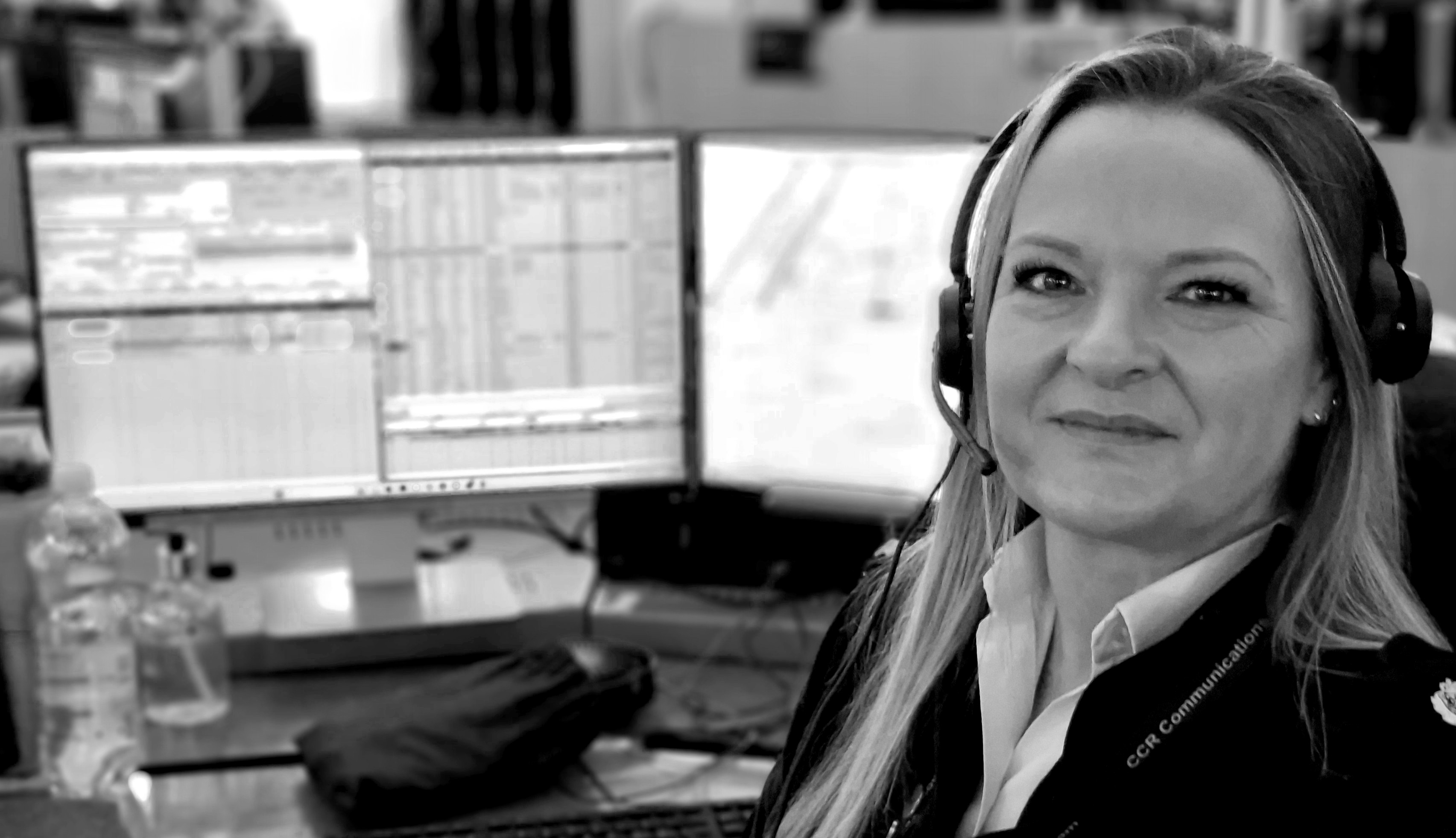 Lois, Communications officer
What are the highs and lows of the job?
In a nutshell it can be very high-paced and quite intense, but it's also very rewarding. We can deal with some really hard jobs. Sometimes people have taken their lives and you've got their loved ones calling in who are very upset. Jobs with the elderly, missing people, children – they can all be very tough. But there's a lot of support in the room for you. And if a call gets too much, you can talk to your colleagues, supervisors or even get referred to have some counselling if you need.
What qualities do you need to work in the Control Room?
You've got to be kind, compassionate and understanding. You've definitely got to be a team player and also thick-skinned and able to think on your feet.
What does your job entail?
No day is the same. One day I’ll be taking 999 calls or 101 calls. Others I will deal with emails or enquiries via live chat. And sometimes I could be on dispatch – which is where we're dispatching officers to jobs.
How do you deal with callers who aren’t calling for an emergency?
I recently had a call from a gentleman who’d called 999 about 2am to say next door neighbour’s newborn baby was crying so much his wife couldn't get to sleep. It was summer so he had his window open so could hear the baby. So I took a moment and asked him if his experience having a newborn baby himself, which he had. I suggested he close the windows and by the end of the call he understood it was not a police matter.
As for hoax calls, it's very frustrating because those take away from people that really do need emergency assistance from police. If someone calls pretending there is a fire, we must take that report at face value. We have no choice but to deploy to that. And if it later turns out to be a hoax, those resources are tied up for nothing when other people really need us.
What did you do before you worked here?
I was a prison officer before this and that was that was an intense job too. My sister was already here, and she said, ‘just apply for the control room because they think you'll get on well and you will love it’. And I took her advice, and here I am five years later. And yes, she was right - I do love it!
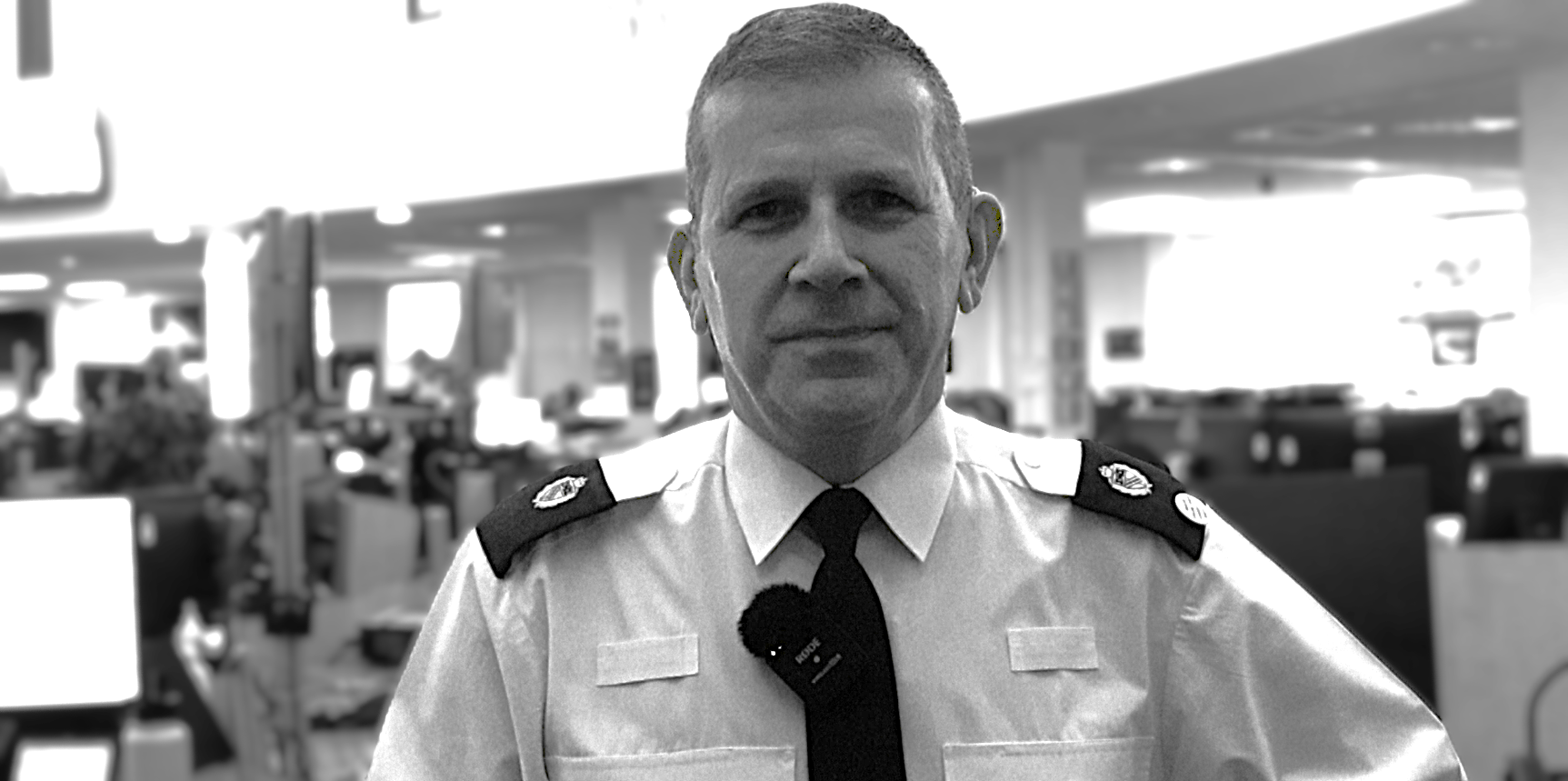
Craig, Communications officer
What’s the best bit of your job?
Being in a position of trust. Gaining the confidence of a member of public when they call you in crisis, being able to problem solve, giving them the right advice so that they know exactly what to do and what information that we require to help them.
What are the challenges?
Making sure you remain calm when somebody's understandably panicking at the other end of a phone call. They have an emergency and they need you to help them quickly. You've got to stay calm. You've got to stay focused. You've got to keep them talking to give you the information that you need.
What does a typical day look like?
I’ve worked in the control room for 10 years and every single day has been varied. That’s what we enjoy the most. You never know what you're going to get. One minute you're going to be taking a call from an RTC (road traffic collision). The next you're going to be dealing with a missing person. You could be dispatching officers to a crisis, or you could be just giving advice to people who need help from a different agency like the Fire and Rescue Service or the Ambulance Service.
Do you feel like doing this job can make a difference?
Every single person in this room will have an incident that they dealt with that sticks in their mind. Personally, for me, I had a call that started. “I'm in a tree. I have a rope around my neck”. The caller was willing to take his own life and I had minutes to build a rapport with him. I was able to calm him down and talk him through the process of what we can do to help him. When officers got there, he didn't want to speak to anybody else but me. I’d gained the trust of that man. And the end result was we got him down and he's now leading a really, really good life. We made a big difference that day. A man was struggling but now he’s well. That call pushed him in a different direction.
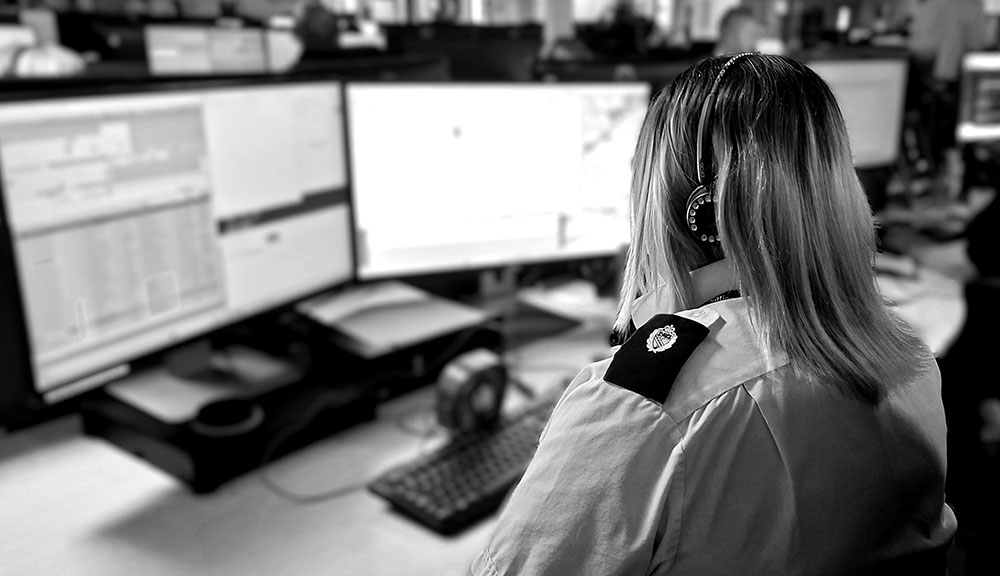 Rachel, Communications Officer
What’s the best bit of your job?
For me, it's being the voice to somebody who's needing help. Calling 999 can be quite a scary thing. So for me being that voice and that comfort for somebody when they need it most is really rewarding.
What kind of challenges can you face in this job?
Sometimes you're not able give people the answers that they're looking for. So the challenge is to remain calm and just focus on that person on the end of the phone call.
And sometimes that person is truly distraught. I took call recently from someone who had arrived at a property of a loved one and found a letter left by that person saying they had intended to end their life. That caller was in a very distraught state. You just have to put yourself in their shoes and help the very best you can.
What kind of qualities do people need to work here?
You need to be calm, a fantastic listener, but most of all empathetic. And as long as you can talk to somebody and you can listen to somebody, you've got the skills to be able to do this job.
What does a typical day at work entail for you?
So, you come in and check what role you've been given for the day you might be call taking (999 calls and 101 calls) or you might be dispatching (sending officers to emergencies and non-emergencies) or you might be on emails (crime reported online).
It's a 24-7 service, so we need to be skilled in every single area of the job. No two days are ever the same in here – which means you never know what you’ll be doing when you come into work.
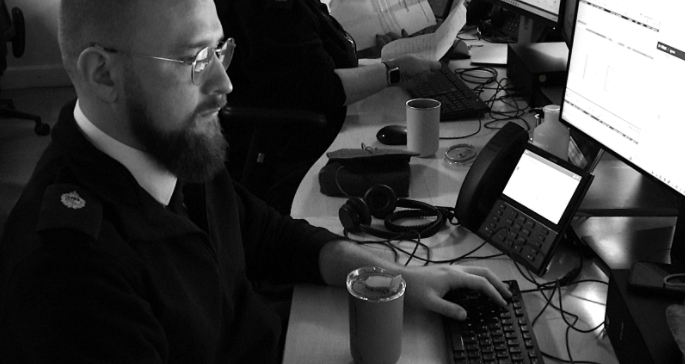 Josh, Communications officer
What does your job entail?
So the variety is really good. As a call taker, you take both 999 calls and non-emergency (101) calls well as calls from partner agencies like the ambulance service or the fire service. In each case you have to ascertain pretty quickly from the person that's on the other end of the phone if we need to send someone right now or is it something that we can put in for a diary appointment where we can get an officer to contact them at a later time?
What are the hours like?
Obviously, this is not a regular 9-5 job. Someone always need to be available to answer those calls - so sometimes you will miss birthdays, bank holidays, family events - that's all part and parcel of working for the emergency services. But equally working those times with the team is good fun. It helps build morale and we're all quite close-knit in here.
How challenging is the job?
Some calls you take are traumatic. But there are processes in place to support you with that. I always promote talking about what you've just dealt with because being able to offload to somebody who knows what it’s like really helps. It’s another reason we are a close-knit team. Another challenge is you can get verbal abuse from people on the phone so you do have to have thick skin. And of course, sometimes there can be frustrating calls. Someone once called 999 to report their supermarket delivery was late. Please don’t do that - call the supermarket!
How rewarding is the job?
Helping people when they need it is really rewarding. I recently dealt with a call where a young woman phoned in just to seek out some advice. But as I was talking to her I realised there were actually some significant offences to report. She didn't realise that there she was a victim but I was able to talk to her and get as much information and get the right help to her. And as a result of that, she's been appropriately safeguarded and the suspect has been arrested and dealt with.